A clean reception, a greasy warehouse floor and signs of rodents in a storeroom call for different solutions. Booking a general clean for all three can leave the underlying problem unresolved.
For businesses across Cape Town and the Cape Winelands, the useful starting point is to separate routine commercial cleaning, specialist industrial cleaning and pest control, then decide where they need to work together.
This guide explains the difference, gives practical examples for business premises and helps you prepare a clearer brief when requesting a quotation from BCPC.
Which service does your business need?
| Your requirement | Start with | Typical premises |
|---|---|---|
| Regular cleaning of floors, desks, washrooms and shared areas | Commercial and contract cleaning | Offices, retail premises and managed buildings |
| Built-up dirt, grease or residue requiring a specialist method | Industrial cleaning | Factories, warehouses and workshops |
| Pest sightings, evidence of activity or a prevention plan | Commercial pest control | Restaurants, warehouses, hospitality and other business premises |
| Recurring hygiene problems alongside pest activity | A coordinated cleaning and pest-management scope | Food areas, refuse points, storerooms and shared facilities |
The property type alone does not determine the service. A factory may need routine cleaning in its offices, industrial floor cleaning in its warehouse and pest prevention around its loading and storage areas.
Commercial cleaning: maintain the spaces people use every day
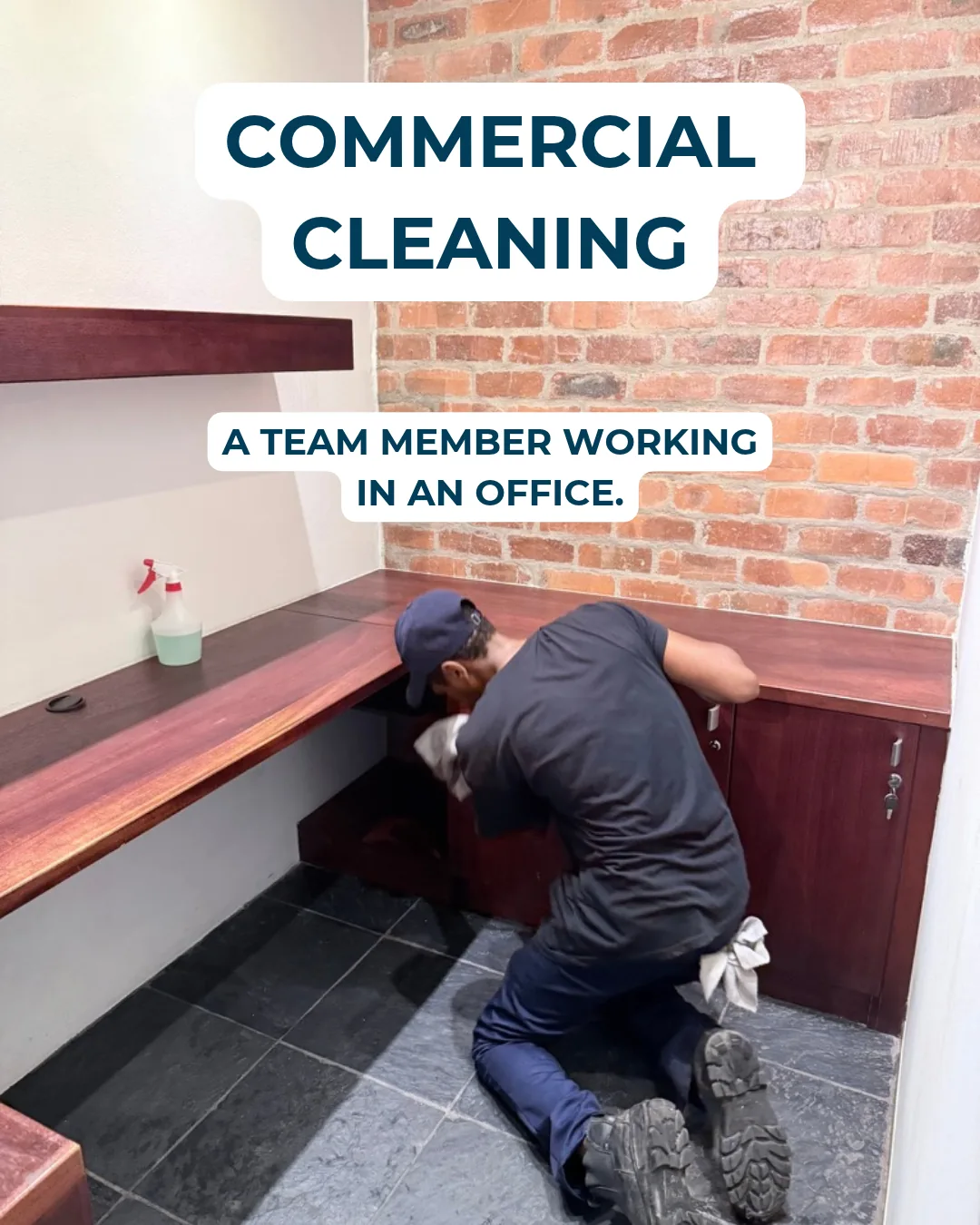
Commercial cleaning keeps the everyday working environment clean and presentable. The focus is usually an agreed schedule of repeat tasks rather than a single intensive intervention.
Depending on the premises and written scope, this can include reception areas, offices, meeting rooms, staff kitchens, washrooms, passages and shared floors. A cleaning contract should explain what gets cleaned, how often, who supplies products and equipment, and how the work is supervised.
When is contract cleaning the right starting point?
- Your premises need daily, weekly or another recurring cleaning schedule.
- Shared areas become dirty through normal use.
- You need consistent responsibilities, checklists and supervision.
- You want to reduce the time spent arranging cleaning whenever standards slip.
Example: An office with a busy reception, staff kitchen and several washrooms may need regular commercial cleaning, with carpet extraction or high-level window cleaning scheduled separately when required.
Explore BCPC’s commercial and contract cleaning service.
Industrial cleaning: match the method to the site and build-up
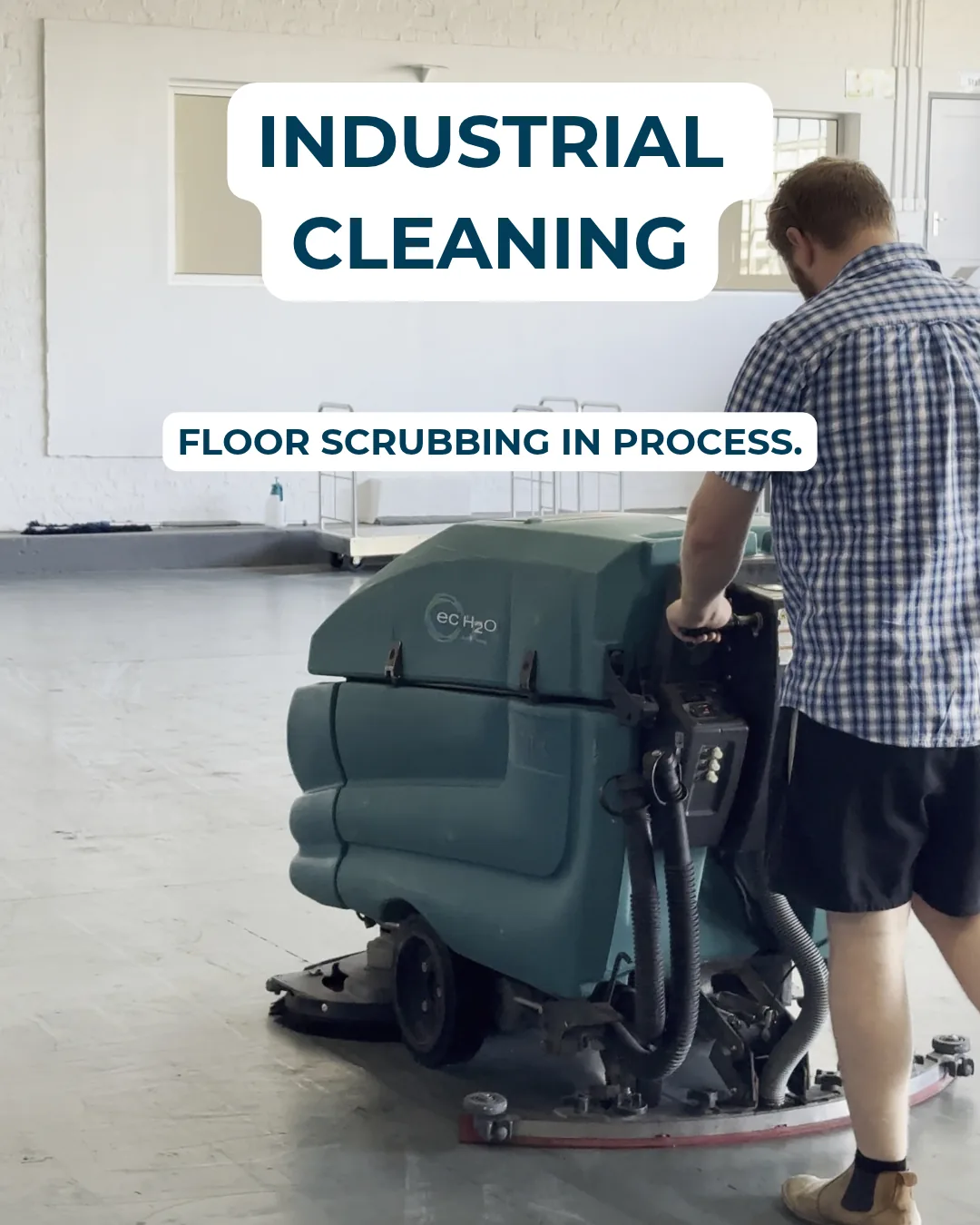
Industrial cleaning addresses site-specific dirt, grease and residue in environments such as factories, warehouses and workshops. It can include periodic deep cleaning, floor scrubbing, steam cleaning and hot-water pressure cleaning where suitable.
The difference is the scope and method, not simply using stronger chemicals. Surface materials, nearby equipment, drainage, available water and power, access restrictions and operational activity all affect the plan.
Signs that a specialist clean may be needed
- Routine cleaning is leaving persistent build-up on suitable hard surfaces.
- You are preparing a warehouse or production-adjacent area for a handover.
- Building work has left dust or residue that needs a separate cleaning scope.
- The work requires machinery, specialist access or a planned shutdown window.
Example: A warehouse may need routine cleaning in staff facilities and a separate machine-scrubbing programme for suitable floor areas. Pressure cleaning should only be considered where the surface, surrounding equipment and drainage allow it.
Discuss industrial cleaning for your Cape Town or Winelands premises.
Commercial pest control: investigate activity and plan prevention
Pest control addresses the pest itself and the conditions that allow activity to continue. A clean-looking building can still have access points, sheltered areas or food and water sources that need attention.
A suitable plan begins with the pest, the signs of activity and the layout of the property. It may involve inspection, monitoring, proofing, targeted treatment and follow-up arrangements, depending on the findings and agreed scope.
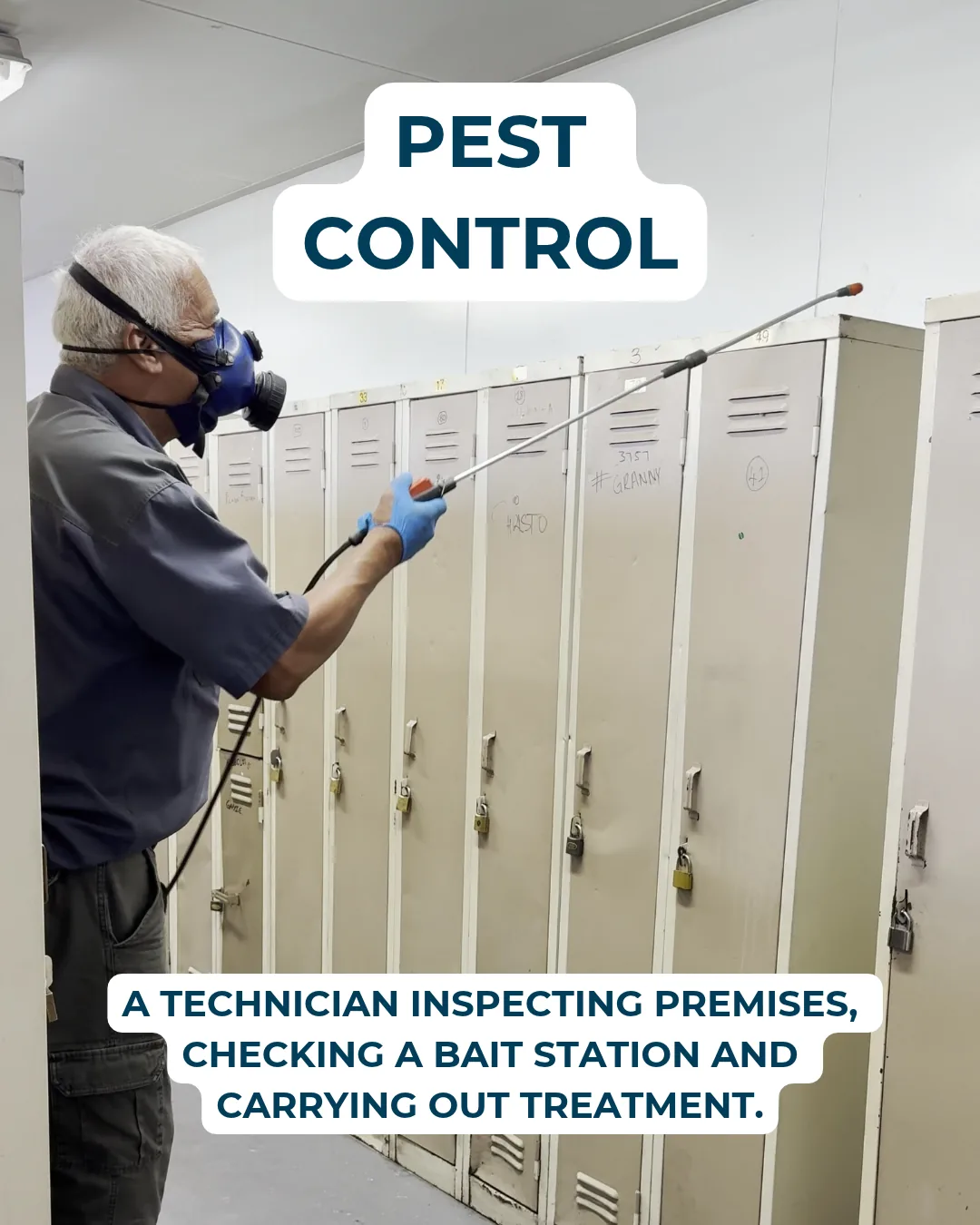
This approach is consistent with integrated pest management principles, which combine monitoring and identification, prevention and appropriate control decisions. It is a process, rather than a single spray.
Example: Rodent activity in a storeroom may require more than treatment. Food storage, clutter, waste handling and building openings may also need attention. The assessment should identify which responsibilities belong to the service provider and which require action by the business or property manager.
Explore BCPC’s commercial pest control and prevention service.
When should cleaning and pest control work together?
A restaurant, hotel, warehouse or managed commercial property may need all three services at different intervals. The aim is a coordinated plan with clearly defined tasks.
- Routine commercial cleaning maintains everyday areas and agreed hygiene tasks.
- Specialist industrial cleaning addresses periodic build-up with methods suited to the site.
- Pest management investigates activity and combines prevention, monitoring and treatment where needed.
Cleaning can support pest prevention by addressing food residue and neglected areas. It does not replace pest identification, treatment or proofing where those are needed. Likewise, pest treatment cannot replace a suitable housekeeping and maintenance plan.
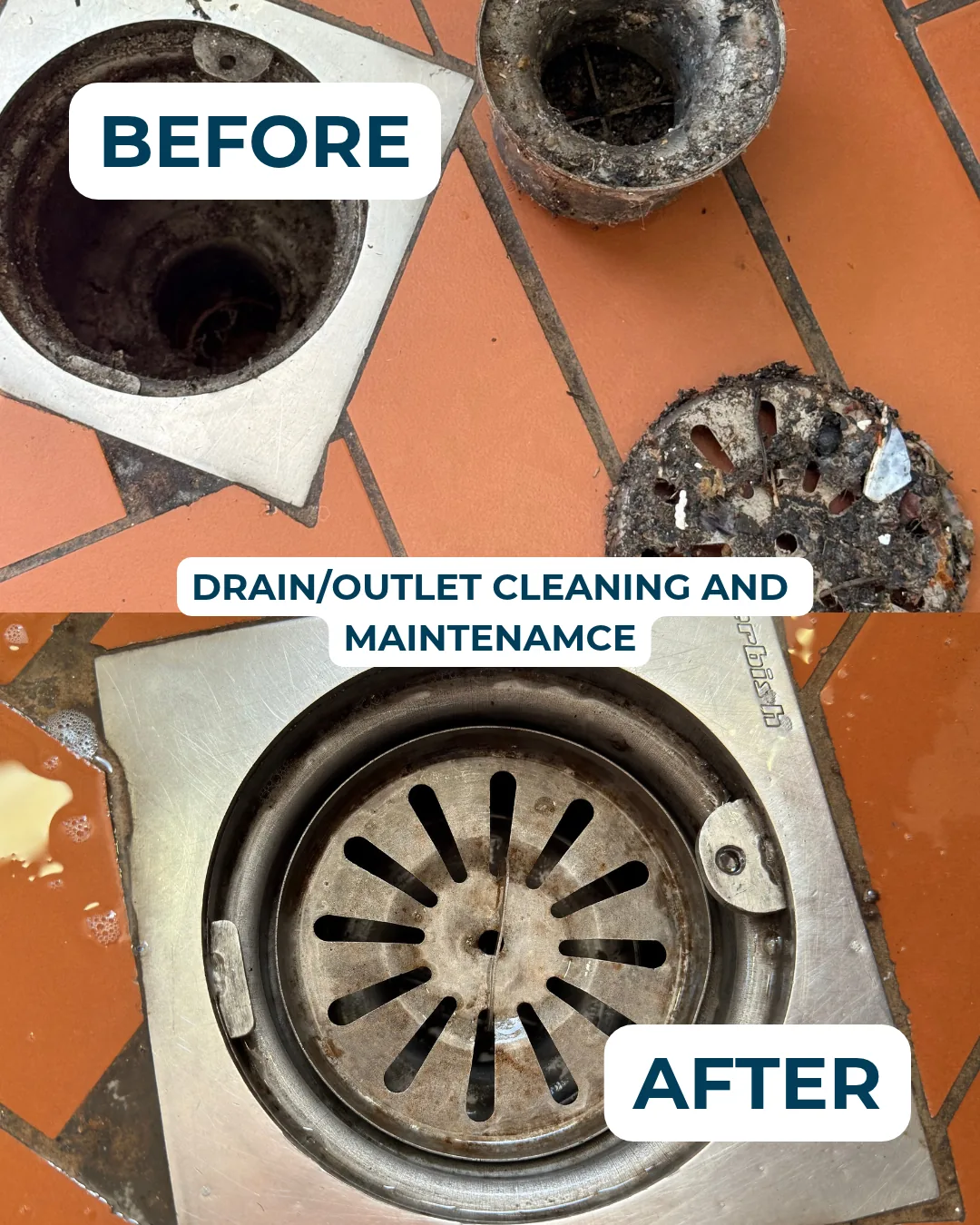
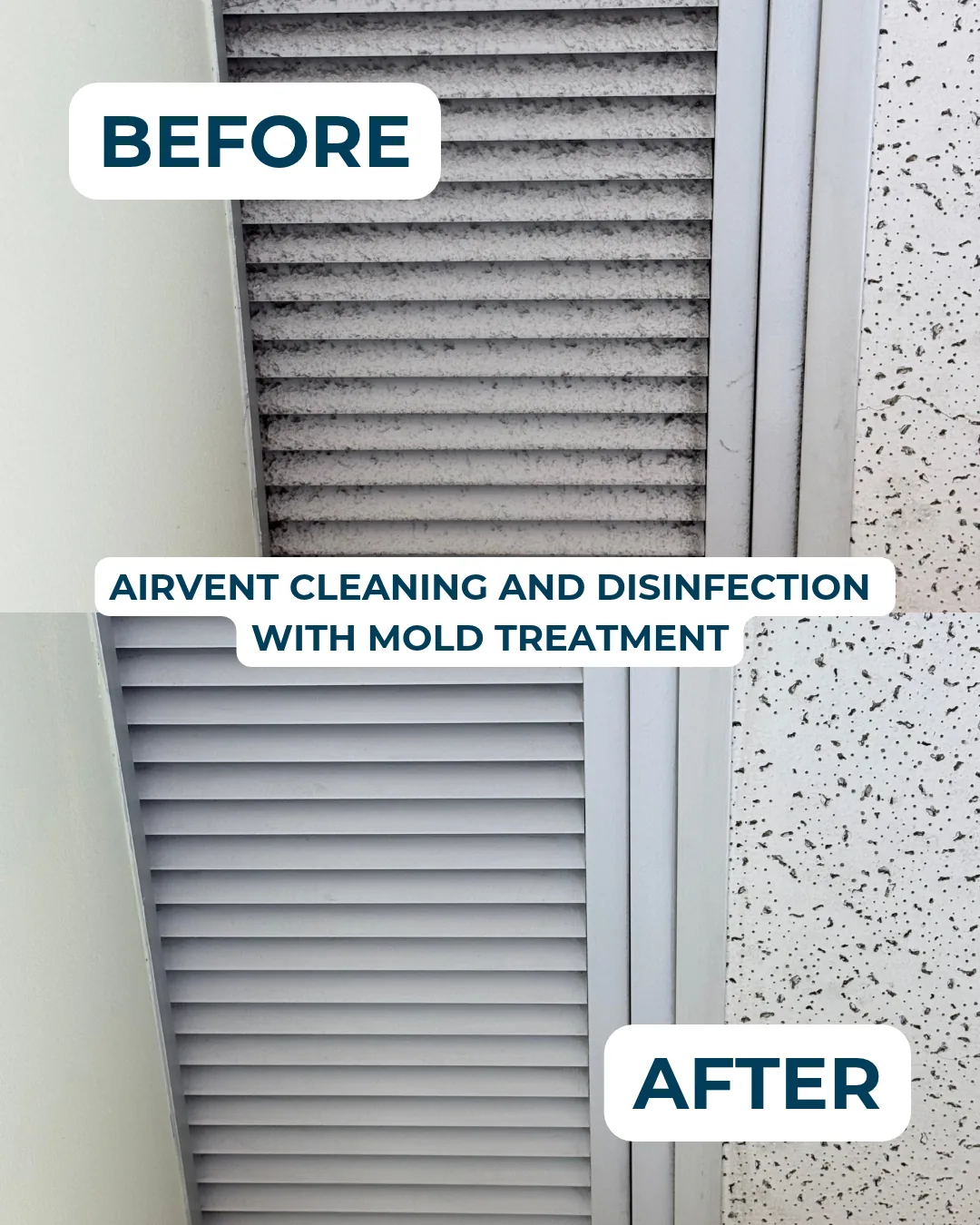
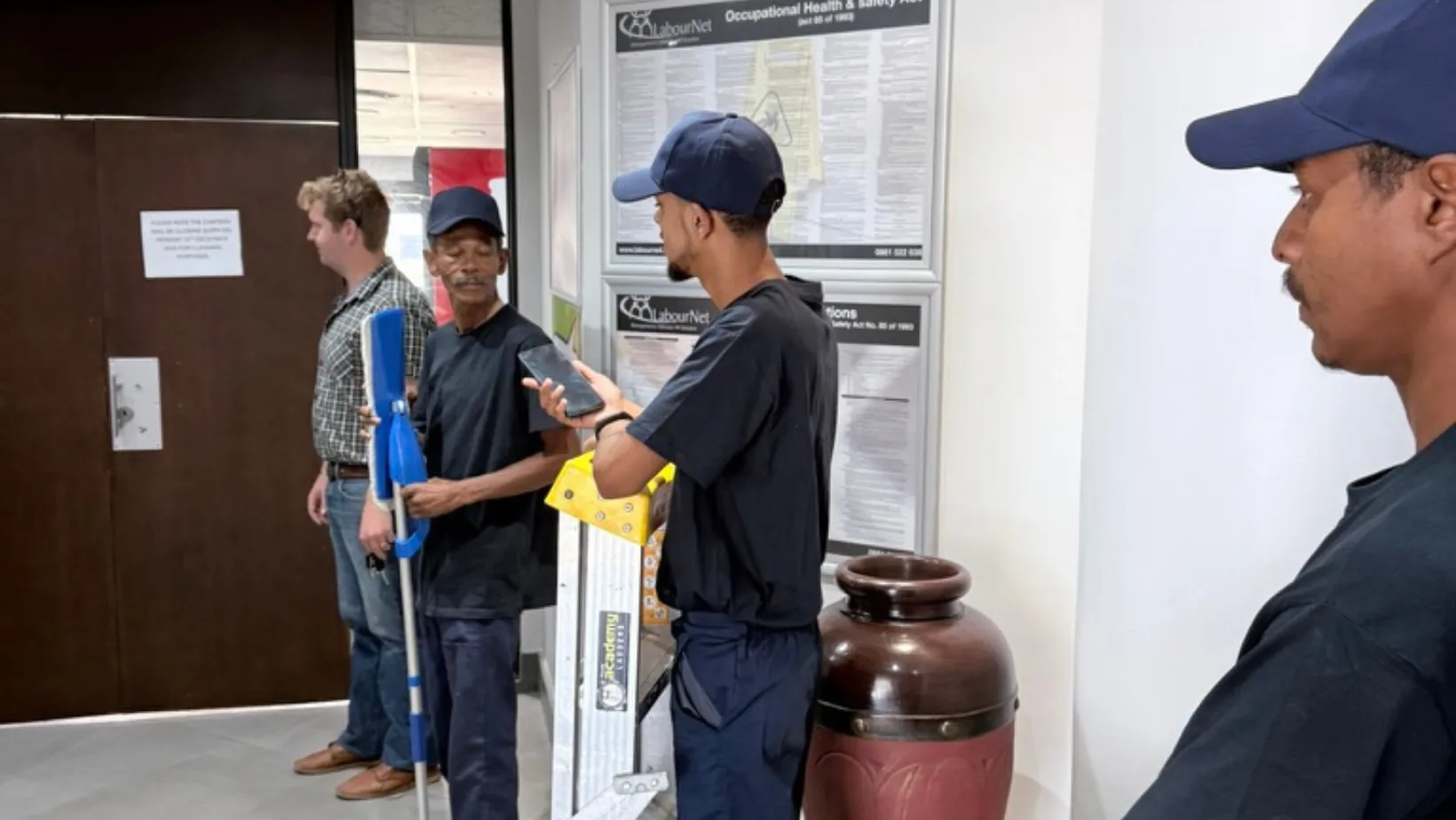
These photographs show BCPC work supplied for this guide. Visible before-and-after results do not establish microbiological test results or certify a premises. Outcomes depend on the surface, condition and agreed work.
What to send when requesting a quote
A useful brief helps the provider distinguish routine work from specialist tasks before pricing the service.
- Location and property type: your suburb and whether the premises is an office, restaurant, factory, warehouse or another business setting.
- Size and affected areas: approximate floor area, room count or the specific surfaces involved.
- Photographs: wide views for context and close-ups of build-up or signs of pest activity.
- Timing: your preferred date, recurring frequency, operating hours and any shutdown window.
- Access and utilities: security arrangements, restricted areas, water, electricity and drainage where relevant.
- Site requirements: sensitive equipment, food-handling areas, preparation instructions and any documentation your business needs.
Ask the quotation to distinguish once-off work, recurring services, follow-up visits and exclusions. Confirm any site-assessment or call-out fees before arranging a visit. For more detail, read our guide to what shapes a commercial cleaning quotation.
Questions business owners often ask
Can one company provide all three services?
BCPC provides commercial cleaning, industrial cleaning and pest control. Tell us which areas need attention so we can discuss the appropriate combination, scope and schedule.
Does a warehouse automatically need industrial cleaning?
No. Different parts of a warehouse can require different services. The floor condition, build-up, activity and access requirements determine whether routine cleaning, a specialist deep clean or a combination is appropriate.
Will cleaning alone solve a pest problem?
Cleaning can address some contributing conditions, but pest activity may also require inspection, treatment, monitoring or proofing. Share the signs you have noticed so the problem can be assessed.
Can cleaning take place while the business is operating?
That depends on the task, site and method. Some work can be scheduled around your operating hours; other tasks may require isolated areas or downtime. Confirm arrangements before booking.
Plan the right service for your premises
BCPC is based in Stellenbosch and serves business premises across Cape Town and the Cape Winelands, including Somerset West, Strand, Paarl and Franschhoek. Check our service areas and contact us to confirm availability for your address.
Send us your location, photographs and a short description of the problem. We will help you identify the next step and agree a scope around your business.
Request your tailored BCPC quote ↗
Call 021 891 4886, WhatsApp 074 331 0383 or email admin@bolandcleaning.co.za.