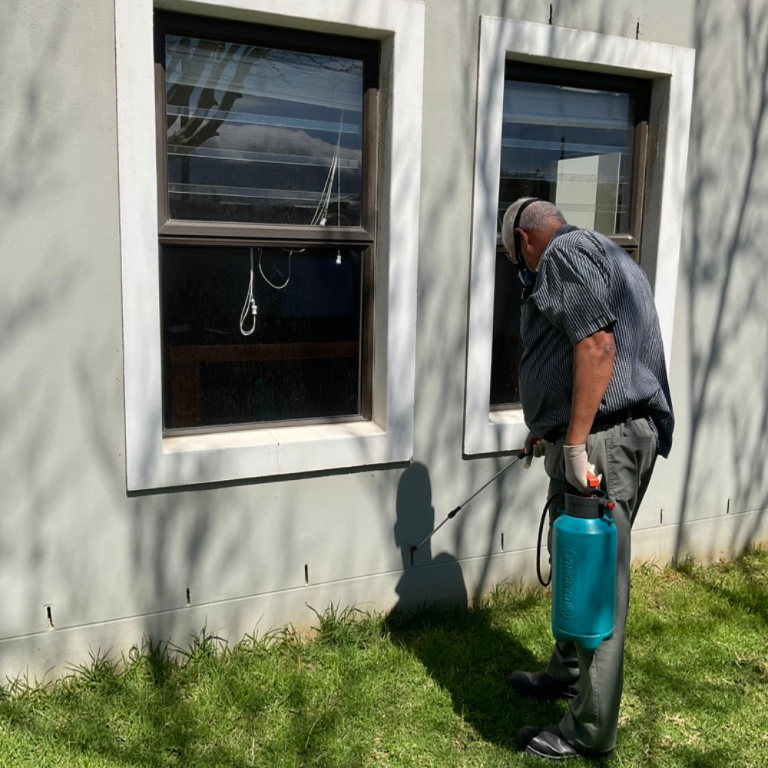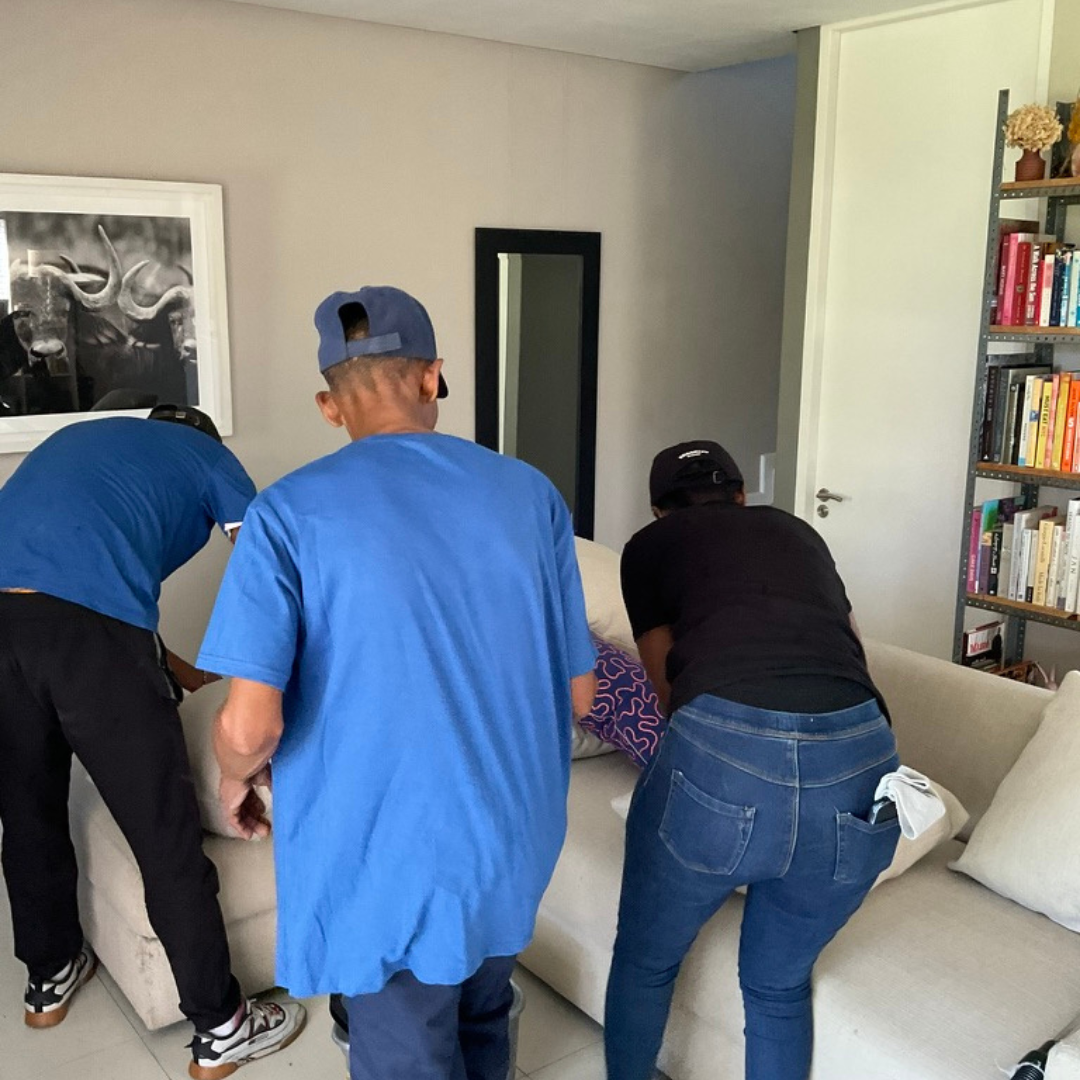
If you are comparing commercial cleaning costs in Cape Town, you will quickly discover that there is no reliable one-price-fits-all answer.
A small professional office cleaned twice a week has very different requirements from a medical facility, student residence, restaurant, warehouse or high-traffic commercial building that requires cleaners on site every day.
The better question is not simply:
“How much does a cleaner cost?”
It is:
“What will it cost to keep our premises consistently clean, hygienic, presentable and properly managed?”
Commercial cleaning prices are normally built around the actual scope of work, number of cleaning hours required, frequency, property layout, equipment, products, supervision and any specialist services required.
This guide explains what Cape Town businesses should expect when requesting a commercial or contract cleaning quotation in 2026, what drives the price, and what you should check before comparing cleaning companies.
BCPC provides commercial cleaning, specialist cleaning, hygiene and pest-control services across Cape Town, Stellenbosch, Somerset West, Paarl, Franschhoek and the Cape Winelands.
How Is Commercial Cleaning Priced in Cape Town?
Commercial cleaning companies generally use one or a combination of three pricing models:
- Per visit, commonly used for smaller offices or properties requiring cleaning only a few times per week.
- Per square metre, useful where floor area gives a reasonable indication of workload.
- Fixed monthly contract, generally used for regular contract cleaning where cleaners are assigned to a site according to an agreed schedule and scope.
For larger or more complex premises, floor area alone is rarely enough to calculate an accurate price.
A 1,000 m² open-plan office, for example, can require considerably less cleaning time than a smaller property containing multiple bathrooms, kitchens, staircases, consultation rooms and high-traffic public areas.
That is why a professional commercial cleaning quote should normally follow a site assessment rather than simply applying one rate to the total floor area.
What Determines the Cost of Commercial Cleaning?
1. Property Size and Layout
Floor area matters, but cleanable area matters more.
Two properties of the same size can require very different staffing levels.
Factors include:
- number of offices and workstations
- bathrooms and change rooms
- kitchens and staff areas
- passages and staircases
- reception and customer-facing areas
- floor types
- lifts
- refuse areas
- outdoor or common areas
An open-plan office with 30 employees may therefore cost less to maintain than a smaller medical or hospitality property containing multiple hygiene-sensitive areas.
2. Cleaning Frequency
Cleaning frequency has a major effect on price.
A business may require:
Once weekly cleaning for a small, low-traffic office.
Two or three visits per week for a normal office environment.
Daily cleaning for busy commercial premises.
Full-time on-site cleaning staff for high-traffic buildings, medical facilities, student accommodation, large offices and managed properties.
More frequent cleaning obviously increases labour requirements, but regular contract cleaning can also be more efficient because the site is maintained continuously rather than repeatedly requiring intensive recovery cleans.
3. Labour Is More Than an Hourly Cleaner Rate
This is one of the most important things for South African businesses to understand when comparing commercial cleaning quotes.
From 1 March 2026, the prescribed minimum hourly rate for contract-cleaning employees in Area A, which includes the City of Cape Town and Stellenbosch, is R33.27 per hour. The government schedule also lists a basic monthly wage of R6,487.15 based on a 45-hour working week.
You can view the official 2026 contract-cleaning wage schedule published by the South African Government.
But that basic wage is not the price of a cleaning contract.
A legitimate commercial-cleaning provider also has to account for items such as staff leave, relief staff, statutory employment costs, uniforms and PPE, supervision, training, management, transport, equipment, cleaning products, administration and other operating costs.
Public-sector cleaning tenders illustrate this clearly by separating the basic wage from leave provisions, employer contributions, uniforms, PPE and other labour-related costs.
This is why an unusually cheap commercial-cleaning quote should be examined carefully.
The cheapest monthly number is not necessarily the lowest long-term cost if the service is understaffed, poorly supervised or unable to maintain consistent standards.
4. Bathrooms, Kitchens and High-Traffic Areas
Not every square metre costs the same to clean.
Bathrooms, staff kitchens, reception areas and high-traffic entrances require more frequent attention than low-use offices or storage rooms.
A quotation should consider things such as:
Bathrooms: toilets, urinals, basins, mirrors, floors, touchpoints and consumables.
Kitchens: counters, sinks, appliances, floors and food-related contamination.
Reception areas: floors, glass, high-touch surfaces and presentation.
High-traffic spaces: more frequent sweeping, vacuuming, mopping and spot cleaning.
This is particularly important for customer-facing businesses where cleaning directly affects how clients perceive the property.
5. Equipment and Cleaning Products
A commercial cleaning contract may require much more than a mop and vacuum cleaner.
Depending on the property, the service provider may need:
- commercial vacuum cleaners
- wet-and-dry vacuums
- floor scrubbers
- carpet extraction equipment
- steam-cleaning equipment
- high-level window-cleaning systems
- pressure-cleaning equipment
- specialist chemicals
- PPE and safety equipment
A professional quotation should make it clear whether the contractor or client supplies the equipment and cleaning products.
BCPC’s commercial-cleaning model can also incorporate specialist services where required, rather than treating every cleaning requirement as ordinary daily housekeeping.
6. Consumables and Hygiene Services
Another important distinction is whether washroom and hygiene consumables form part of the contract.
These can include:
soap, hand sanitiser, toilet paper, paper towels, sanitary-bin servicing, dispensers and other hygiene products.
Commercial cleaning providers may quote these separately or build them into a managed service.
If you are comparing quotations, make sure both companies are pricing the same scope.
One quotation may appear cheaper simply because consumables, hygiene servicing or specialist work have been excluded.
7. Specialist Cleaning Requirements
Routine contract cleaning and specialist cleaning are not the same service.
A commercial property may periodically require:
carpet and upholstery extraction cleaning, high-rise or specialist window cleaning, floor stripping and sealing, restaurant canopy and extraction cleaning, pressure cleaning, post-construction cleaning, solar-panel cleaning, or pest control.
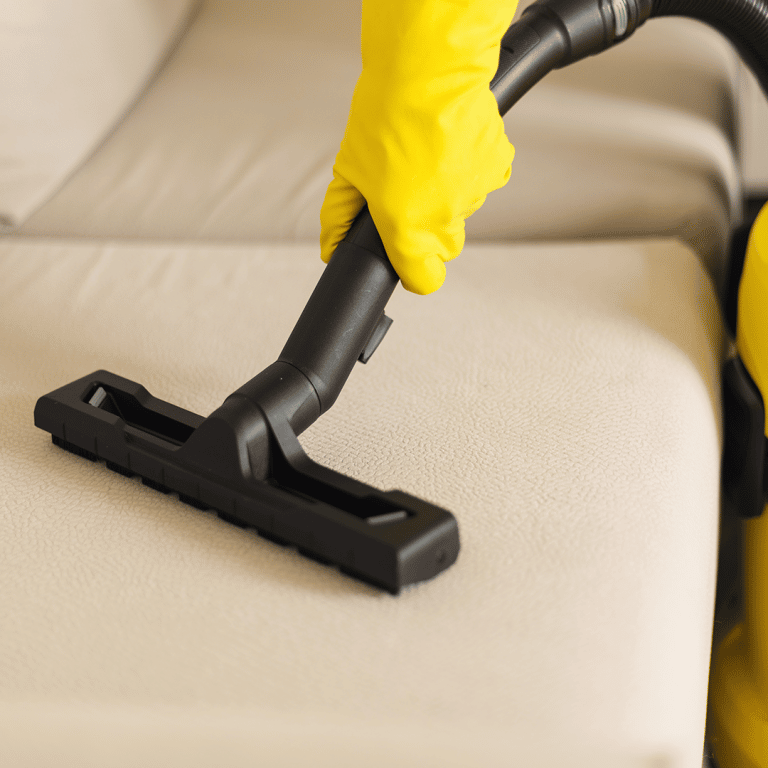
For example, routine vacuuming maintains a carpet, while professional extraction cleaning removes deeper accumulated dirt and residues.
BCPC explains this in more detail in its guide to professional carpet and upholstery cleaning in Cape Town.
These periodic services should ideally be identified during the initial site assessment so the facilities manager understands what is included in the recurring contract and what will be quoted separately.
Once-Off Cleaning vs Contract Cleaning
A once-off deep clean solves a specific immediate problem.
Contract cleaning is designed to maintain a standard continuously.
For businesses, that distinction matters.
Once-off cleaning is appropriate when you need help after construction, before occupation, following an event, at the end of a lease or when a property requires intensive restoration.
Contract cleaning is better suited to premises that need consistent daily, weekly or monthly attention.
The benefit of a properly managed cleaning contract is predictability.
The business knows:
- what gets cleaned
- how often it gets cleaned
- who is responsible
- how standards are checked
- which products and equipment are provided
- how problems are escalated
That is considerably easier to manage than arranging ad hoc cleaning every time standards begin to slip.
What Should Be Included in a Commercial Cleaning Quote?
A professional quote should make it easy to compare like with like.
At minimum, look for clarity around:
Scope of work
Which rooms, surfaces and tasks are included?
Frequency
Daily, weekly, monthly or specific days?
Staffing
How many cleaners and how many hours?
Supervision
Who checks the work and manages the team?
Equipment
Who supplies machinery and cleaning equipment?
Cleaning chemicals
Are products included?
Consumables
Are paper products, soap or hygiene products included?
Relief arrangements
What happens when the allocated cleaner is absent?
Specialist services
Are windows, carpets, floors, pest control and other periodic services included or separate?
Reporting and quality control
How are standards checked and service issues recorded?
Current commercial-cleaning providers in Cape Town increasingly position supervision, site-specific plans, checklists and managed service delivery as part of a professional contract rather than simply supplying labour.
Should You Choose the Cheapest Commercial Cleaning Quote?
Not automatically.
Price matters, but a commercial cleaning contract affects staff, customers, hygiene, property presentation and daily operations.
A very low quote can become expensive if it leads to:
poor attendance, constant staff replacement, insufficient cleaning hours, weak supervision, damaged surfaces, unreliable products or repeated complaints.
Instead of asking only:
“Which quote is cheapest?”
ask:
“Which quote gives us the clearest scope and the most reliable standard for the money?”
That changes the buying decision from labour cost to service value.
Which Businesses Benefit Most From Contract Cleaning?
Contract cleaning is particularly useful for properties where cleanliness cannot depend on someone remembering to arrange it.
BCPC works across commercial environments including:
- offices and corporate premises
- medical and professional facilities
- student accommodation
- schools and educational facilities
- restaurants and hospitality properties
- industrial and commercial sites
- body corporates and managed properties
- retail and customer-facing premises
The exact cleaning plan should reflect how the building is actually used rather than forcing every property into the same package.
Can Cleaning, Hygiene and Pest Control Be Managed Together?
Yes, and for many facilities this is where an integrated service becomes particularly useful.
Cleaning, hygiene and pest control are closely connected.
Food debris, refuse areas, moisture, poorly maintained kitchens and inaccessible storage spaces can all contribute to pest activity. At the same time, pest treatments cannot compensate for poor housekeeping.
That is why businesses often benefit from treating these services as parts of the same property-management system.
BCPC can combine:
commercial cleaning + hygiene services + specialist cleaning + preventative pest control
under one service relationship where appropriate.
For businesses dealing with pest risk specifically, read BCPC’s guide to preventative commercial pest control in Stellenbosch and Paarl.
Commercial Cleaning Areas We Serve
BCPC provides commercial and specialist cleaning services across Cape Town and the Cape Winelands, including Stellenbosch, Somerset West, Strand, Gordon’s Bay, Paarl, Franschhoek, Century City, Cape Town CBD and surrounding commercial areas.
View the full list of BCPC cleaning and pest-control service areas.
Frequently Asked Questions About Commercial Cleaning Costs
How much does commercial cleaning cost in Cape Town?
There is no reliable universal rate because commercial-cleaning prices depend on the property’s size, cleaning frequency, number of labour hours, layout, bathrooms, kitchens, floor types, equipment, products and required level of supervision.
A site assessment is usually the best way to obtain an accurate commercial-cleaning quotation.
Is commercial cleaning normally charged per hour or per square metre?
Both methods are used, together with fixed monthly contract pricing.
Smaller or once-off jobs may be priced per visit or according to cleanable floor area. Larger recurring contracts are commonly quoted as a monthly service based on the agreed staffing schedule and scope.
Is daily office cleaning cheaper than arranging repeated deep cleans?
They serve different purposes.
Regular cleaning keeps a property consistently maintained, while deep cleaning deals with accumulated dirt and areas outside the normal daily scope. Many commercial properties require both routine cleaning and scheduled periodic specialist cleaning.
Should cleaning products be included in the price?
This depends on the agreement.
The important thing is that the quotation clearly states who supplies chemicals, equipment and consumables so that competing quotations can be compared fairly.
Can BCPC provide cleaners permanently at a commercial site?
BCPC offers contract-cleaning solutions that can be structured around daily, weekly or other scheduled cleaning requirements, depending on the property and required scope.
Get a Commercial Cleaning Quote in Cape Town
Every commercial property operates differently.
A professional office, student residence, restaurant, medical facility or industrial property should not be priced from a generic cleaning package without understanding how the premises are actually used.
BCPC can assess your property, cleaning frequency, staffing requirements, specialist-cleaning needs, hygiene requirements and pest-control risks to develop an appropriate cleaning plan.
Request a commercial cleaning quote from BCPC
Phone: 021 891 4886
WhatsApp: 074 331 0383